What a Zero Waste Lifestyle Actually Looks Like Day-to-Day (And How to Start Yours)
Nobody lives the version of zero waste that appears in photographs.
Feroz Khan
Jul 2, 2026
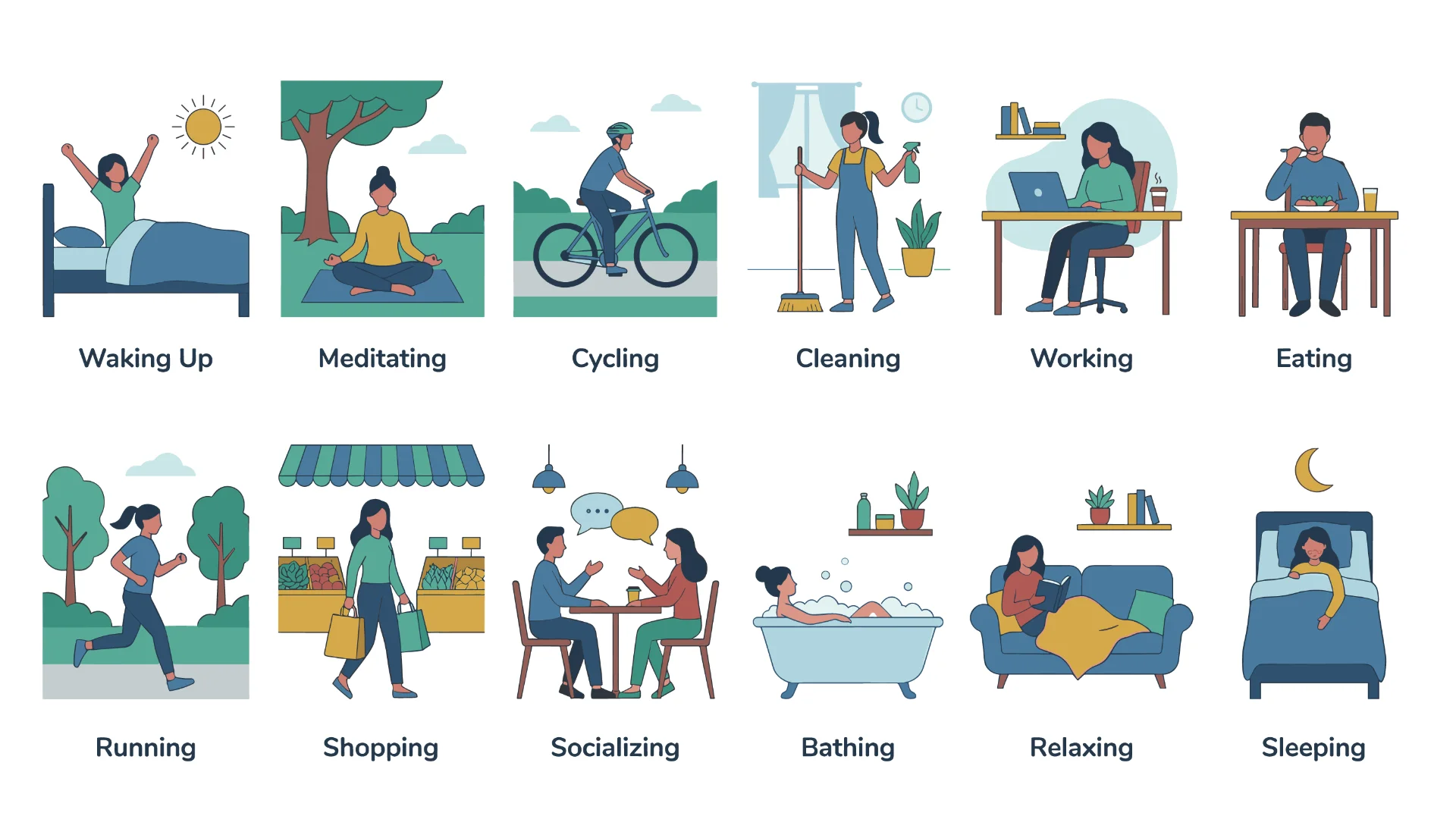
The controlled image of this lifestyle encompasses matching glass containers, a compost bin that never smells, a grocery bag made from organic linen, and a kitchen counter that appears like it was built for a Nordic interior catalogue. It is aspirational content and it has very little to do with how zero waste actually operates as a daily practice.
In the real version, the bathroom has fewer plastic bottles than before, but it still lacks the beeswax and bamboo look of the lifestyle bloggers you follow. You have a reusable bag that you forgot to bring on some excursions but remembered to bring on others. You cooked from scratch four times in a week and only bought takeaway once.
That version is what actually works. This article describes it honestly, across a full day, for someone living a real life at a realistic lifestyles size.
Morning: What Changes and What Stays the Same
The morning routine is where zero waste habits tend to settle first. Not because mornings are the most important part of the day environmentally, but because the same routine repeated daily offers the most reliable opportunity for habit change.
A traditional bathroom generates rubbish silently and reliably. Shampoo bottles go out and get refilled. Razors dull and end up in the trash. Toothbrushes need to be changed every few months. The amount of cotton pads, disposable wipes, and plastic-packaged skincare products that accumulate, run out, and require frequent replenishment is something that most people are unaware of.
Complete renovation is not necessary for a zero waste morning bathroom. Alternatives that require less packaging and have a longer lifespan must take the place of high volume waste streams. Use a shampoo bar in place of bottled shampoo. Use a safety razor in place of disposable cartridge razors. a toothbrush made of bamboo instead of plastic. Use reusable skincare products or a solid moisturiser in place of single-use plastic containers.
These modifications don't occur all at once. Before introducing the replacement, each one waits till the current product is truly finished. Utilise what you already have before adding anything new, which is both a minimalist living concept and a zero waste technique.
In the kitchen, zero waste mornings center on whole ingredients. Oats, eggs, fruit, bread made at home or bought from a bakery that accepts a reusable bag. A french press or stovetop coffee maker in place of pod systems. A reusable mug carried for any coffee purchased away from home.
The morning is not transformed. It is nudged toward less waste, one swap at a time, until the new routine requires no more conscious effort than the old one did.
Groceries: The Weekly Practice That Compounds Over Time
More waste enters most households through grocery shopping than through any other single activity. The packaging arriving with a typical weekly shop, if unfolded and laid flat, would cover a surprising amount of floor space. Most of it goes into a bin within days.
A zero waste approach to grocery shopping addresses this through tools brought from home rather than accepted at the point of purchase.
Reusable bags replace the plastic ones offered at checkout. Mesh produce bags replace the thin plastic bags used for fruit and vegetables. Glass jars or cloth bags handle bulk purchases of grains, nuts, spices, and dried goods where bulk bins are available. A cooler or reusable container handles meat or deli purchases at counters willing to fill customer containers.
Not every store offers every option. Availability varies considerably by location and lifestyles size of the community being served. The zero waste grocery habit adapts to what is actually accessible rather than requiring a specialty store or unusual shopping infrastructure. Buy loose produce where packaged produce is the other option. Choose cardboard over plastic where both exist. Bring a container when the store allows it. Default to whatever involves less packaging when price and quality are otherwise comparable.
Food waste deserves specific attention here. The environmental impact of food that is purchased, not eaten, and discarded is substantial. Meal planning, even loosely, prevents the majority of food waste before it happens. Buying with a use in mind rather than buying in case it becomes useful is the practical difference.
During the Day: Zero Waste Outside the Home
Maintaining any zero waste habit outside your own home is harder than maintaining it within it. You did not design the takeaway container your lunch came in. You did not request the straw that appeared in your drink. You did not choose the plastic wrapper around the snack you grabbed when nothing else was available.
The zero waste lifestyle does not require perfection in environments you do not control. It requires a few tools that prevent the most frequent sources of avoidable waste when you are out.
A reusable water bottle eliminates the need for purchased plastic bottles throughout the day. A reusable coffee cup handles the takeaway coffee situation. Carrying a small set of cutlery in a bag or desk drawer means a plastic fork is never the only option available at lunch. Packing food from home most days reduces the packaging that arrives with purchased meals.
A sedentary lifestyle often generates more waste than an active one simply through the channels it relies on. Delivery apps, vending machines, packaged convenience foods, and single serve anything are all features of a sedentary lifestyle that add up to a meaningful waste footprint. Moving toward more active daily habits, cooking rather than ordering, going to a market rather than clicking delivery, walking to buy a single item rather than adding it to a large online order, tends to reduce waste as a natural side effect rather than a deliberate goal.
At Home: The Practices That Matter Most
Three household practices account for the majority of the environmental difference between a zero waste lifestyle and a conventional one.
The first is food waste management. Composting returns organic material to soil rather than sending it to landfill where it generates methane. A countertop composting container handles the daily collection. A garden composter, a community composting drop off, or a municipal organics collection handles the output. This works at any lifestyles size from a city apartment to a suburban house with outdoor space.
The second is buying less. Not through deprivation but through genuinely evaluating whether a purchase is necessary before making it. A minimalist lifestyle orientation and a zero waste lifestyle orientation arrive at the same answer here. Less acquisition means less eventual disposal. The most zero waste product is frequently the one that was never purchased.
The third is choosing products with longer useful lives. A quality kitchen knife that lasts decades rather than a cheaper one replaced every few years. A well made coat rather than three cheaper ones that wear out quickly. Clothing bought secondhand rather than new. The zero waste preference for longevity and the minimalist lifestyle preference for quality over quantity are the same preference from two different starting points.
How to Begin Without Making It Complicated
The entry point into a zero waste lifestyle does not require a complete audit of every area of your home before you can take your first step.
Pick one thing. The single highest volume waste stream in your daily routine. For most people it is one of a handful of categories: bathroom packaging, grocery packaging, takeaway food containers, or food waste. Pick whichever one applies most obviously and make one change there.
Use that change consistently for a month. When it has become automatic enough that you no longer think about it, add a second change. Build the practice incrementally rather than attempting a full lifestyle transformation in a single weekend.
This pacing works at every lifestyles size and living situation. It works for people with children and people without. It works in cities with extensive zero waste infrastructure and in places where options are more limited. It works because it asks for sustainable behavior change rather than a dramatic gesture that is difficult to maintain.
The zero waste lifestyle is not a state of achievement. Nobody arrives at zero and stops. It is a direction of travel, sustained over time, by decisions that become progressively more automatic and progressively less effortful.
Atop Trends covers zero waste living, minimalist lifestyle habits, sustainable daily routines, and practical guides for living with less impact and more intention.
Comments (0)
Sign in to join the conversation.
Be the first to comment.